A Designer's Take on the Berry Leaf Christmas Cup Embroidery Art
When you're picking a design for a real embroidery project, it's not just about liking the picture. You have to imagine it stitched out on fabric. You have to see it on a finished product. You have to think about how it'll feel when a customer holds it. That's how I approached the Berry Leaf Christmas Cup artwork. I'm considering it not as a digital file on a screen, but as a potential embroidered motif on a sweatshirt, a tote bag, or a holiday tea towel for my small shop.
The Immediate Mood: Cozy, Classic, and Quietly Festive
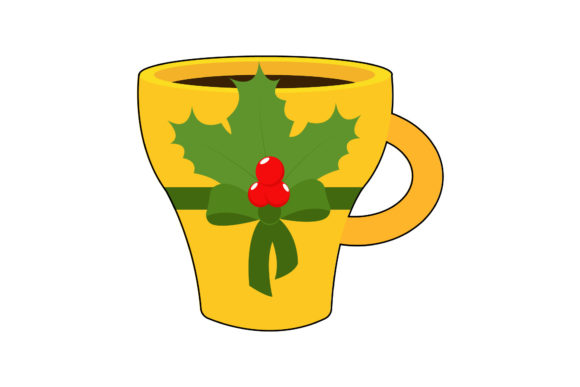
The first thing that strikes me about the Berry Leaf Christmas Cup is its quiet charm. It avoids the loud, cartoonish holiday themes. Instead, it leans into a classic, almost Scandinavian feel with that berry and leaf motif wrapped around a simple cup. The layout is balanced and straightforward, which is excellent for embroidery. A complex, sprawling design can be a nightmare to stitch cleanly, but this one has a contained, focal point personality. It creates a mood of cozy warmth rather than frantic celebration. This tells me it would work beautifully on gifts meant for a quieter holiday moment—a personalized pillow cover for a nursery, a kitchen towel for a hostess, or a blanket for a winter evening.
Where This Design Thrives in Real Projects
In practical terms, this artwork has a natural home on a variety of items. The icon-style presentation, fitting its category as a graphic, makes it versatile. I can immediately picture it as a centered feature on a high-quality cotton tote bag. The size and detail level suggest it would stitch out clearly and become a standout piece. For apparel, like a sweater or a cap, it’s a strong candidate for a left chest placement—a tasteful holiday accent without overwhelming the garment.
For craft business owners and Etsy sellers, this design translates well into products with perceived value. An embroidered apron with this cup design feels boutique, not generic. A neat patch featuring this motif could be applied to a tea towel or a baby’s winter bib, making for a lovely, giftable handmade product. Because the theme is seasonal but not over-the-top, it has a longer appeal within the holiday season and doesn’t feel disposable after December 25th.
Thinking Through the Stitching: Practical Performance Notes
Moving from the screen to the hoop requires some mental translation. The 1920px by 1280px artwork size gives me confidence that the source files have enough resolution for clean digitizing and scaling. The provided AI, EPS, and SVG files are crucial for professional use; they allow for precise editing and scaling before creating the final embroidery file, which is a must for commercial embroidery projects or when adjusting for specific hoop sizes.
The design’s strength lies in its clear shapes. The cup outline, the berries, and the leaves should translate into defined satin stitch borders or clean fill stitch areas. However, a designer’s job is to also see potential pitfalls. The small berry dots and the fine lines of the leaf veins are the areas to watch. On textured fabrics like a knit sweatshirt, or on a small scale—say, for a baby item—those tiny details might lose clarity or become too dense. Testing on scrap fabric first is non-negotiable here. You need to check the stitch density in those areas to ensure they don’t become puckered or stiff.
Careful Applications and Fabric Considerations
This isn't a design I’d automatically throw onto a stretchy, thin t-shirt without careful stabilizer choice. The contained, potentially dense fill areas in the cup and leaves could pull on such fabric. It’s a better fit for stable mediums: canvas totes, denim, quilting cotton for pillow covers, or felt for patches. On dark fabric backgrounds, the choice of thread colors becomes paramount. The design’s appeal relies on the contrast between the cup, the red berries, and the green leaves. In a black and white mockup, you'd see if the shapes hold up without their color story, which is a good test for visual integrity.
For curved surfaces like caps, the rounded shape of the cup itself should adapt well, but again, those small berry elements need to be reviewed in the digitizing stage to ensure they survive the curvature without distortion. For products destined for frequent washing, like kitchen towels or baby clothes, a robust stitch construction with secure outlines will help the design endure.
The Impact on Your Craft Business and Customer Trust
Using a design like Berry Leaf Christmas Cup effectively goes beyond the stitch. It affects how your customers perceive your work. A design that is well-executed, with clean lines and a pleasant aesthetic, reinforces customer trust. It makes your handmade presentation feel professional and intentional. For a creative entrepreneur selling digital embroidery files, offering a versatile, well-structured graphic like this as part of a bundle adds value to your design assets.
When a customer sees this design on a product, it feels like a thoughtful choice. It’s recognizable as a holiday theme but retains a timeless quality that elevates the product from a simple seasonal novelty to a piece of craft. This boosts giftability and can enhance brand consistency if you, as a maker, have a style leaning towards classic, understated themes.
Essential Designer Checks Before You Commit
Before I run this design on a final project for a client or for my shop merchandise, my list is practical. I will test it on my intended fabric—likely a scrap of canvas and a scrap of fleece first. I will review the thread color palette to ensure contrast, especially if I deviate from the implied red and green. I will confirm the hoop size needed for my intended final product size and make any adjustments using the scalable vector files provided.
I will inspect how the small details stitch out and decide if they need minor simplification for my specific application. Crucially, I will confirm the licensing terms for this artwork. The product description notes it’s easy to edit and use in your designs, but for commercial embroidery projects where I’m selling finished products or digital derivatives, I must have explicit confirmation that commercial use is permitted. Never assume.
The Berry Leaf Christmas Cup, from a designer’s viewpoint, is a promising graphic. It has the visual personality that suggests a successful embroidered product and the file format flexibility that professionals require. Its real-world performance hinges on that thoughtful transition from digital artwork to physical stitch, a process that defines the difference between a good digital file and a great finished product.