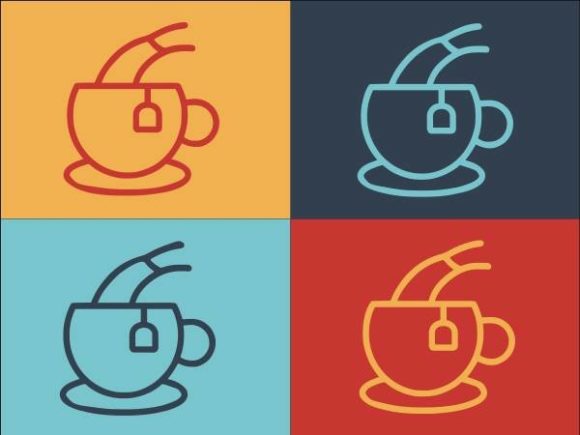
A Designer's Review of the Sugar Stick Tea Cup Logo
When I first opened the Sugar Stick Tea Cup embroidery file, my immediate thought was, “This is a logo that knows its audience.” It’s not just a graphic; it’s a mood. The elegance is subtle, the modernity is clean, and the overall composition speaks to a specific kind of crafted sophistication. As a designer who regularly translates digital files into stitched reality for client projects and my own shop, my first job is to assess a design’s potential beyond the screen.
The Quiet Charm of a Well-Designed Logo
The Sugar Stick Tea Cup design has a visual personality that feels both nostalgic and fresh. The theme is clear and focused, which is a huge advantage for embroidery. In our world, overly busy designs can become muddy and indistinct when stitched. Here, the layout is balanced, and the detail level appears thoughtfully considered—not so sparse that it feels empty, but not so dense that it would become a stiff, heavy patch of stitches on a delicate fabric. It creates a mood of gentle refinement, perfect for products that whisper quality rather than shout it.
I picture this design naturally belonging to projects where understated beauty is key. Think of a custom embroidered linen pillow cover for a boutique, a set of elegant tea towels for a wedding gift, or a delicate motif on a baby’s blanket or nursery decor item. It wouldn’t feel out of place on the corner of a high-quality apron for a specialty coffee shop or baked goods business. The style is versatile because it’s confident in its own simple, stylish concept.
Where This Design Shines in Real Projects
Let’s walk through a real scenario. I’m preparing a batch of embroidered tote bags for a local craft fair, aiming for products that feel both handmade and professional. The Sugar Stick Tea Cup logo comes to mind immediately. Its clean lines suggest it will stitch with clarity, especially on a canvas tote fabric. For apparel decorators, this design would translate well onto the left chest of a sweatshirt or the back of a cap, provided the scale is right. It has the potential to elevate a simple t-shirt into a branded item for a small shop.
Considering digital product sellers, this SVG file’s compatibility with common design software means it’s ready for creating printable mockups and digital previews, which is crucial for selling the design itself or for marketing finished products online. For a creative entrepreneur, using this as part of boutique branding on uniforms, packaging labels, or shop merchandise could build a consistent, recognizable visual identity. The elegance of the design directly impacts perceived product value and customer trust—it looks intentional and professional.
Practical Considerations Before Hooping the Fabric
Now, for the practical embroidery designer notes. The elegance of this logo template is promising, but embroidery has its own rules. Before running this on any final product, I always test on scrap fabric first. This isn’t just about checking the machine embroidery file’s integrity; it’s about seeing how the design feels in thread.
You need to inspect those small details. Are there corners or potential tiny lettering elements that might get lost or become puckered without proper stabilizer and tension settings? I would test it on both light and dark fabric backgrounds to check thread color contrast. A design that looks modern on screen might need a slight color adjustment for stitching to maintain its clarity on, say, a black denim cap versus a white baby bodysuit.
Stitch density is a silent factor. A design described as “versatile and stylish” could have areas of fill stitch that are quite dense. On thin or stretchy fabric like a t-shirt, this could lead to distortion or a stiff feel. On a tote bag or pillow cover, it might be perfect. Similarly, on textured fabrics like some blankets, the finer lines or running stitch elements might not pop as expected. Always consider your hoop size relative to the design’s scale—too small a hoop for a detailed design can compromise registration and finish.
Spots Where a Designer Should Proceed with Care
This design should be used carefully in certain situations. Its modern, clean lines imply a need for a smooth stitching surface. On highly textured fabrics, the elegance might be diminished. On very curved surfaces like caps, the layout needs to be scaled and positioned perfectly to avoid visual distortion. If the design has any particularly dense decorative accents, they could be problematic on garments that need frequent washing, as dense stitching can sometimes wear or feel less comfortable over time.
For projects like embroidered patches, where the design is cut out and applied, the overall shape and detail level of the Sugar Stick Tea Cup would work well, but again, testing the stitch density on the chosen base fabric for the patch is key. For layered garments or items with stretch, using the correct stabilizer is non-negotiable to preserve that stylish look.
Making It Work for Your Business or Gift
From a commercial and giftability perspective, this design hits strong notes. For personalized gifts, such as a holiday gift tea towel set or a monogrammed baby item, the design’s inherent charm increases its appeal. It feels special without being overly generic. For an Etsy seller or small shop product, an embroidered item featuring this logo can convey a handmade presentation with a polished edge, which engages buyers looking for that balance.
A crucial final step for any designer using graphics like this, whether for personal or commercial embroidery projects, is to confirm licensing. The product is categorized under Logos and Graphics. Before selling finished items or digital products derived from this file, you must understand the terms of use. Does the license allow for commercial use of the embroidered finished product? This is a fundamental check that protects your business and respects the creator.
The Sugar Stick Tea Cup logo template offers a strong foundation. Its described elegance and versatility are its greatest assets. By approaching it with a designer’s practical eye—testing, adapting for fabric, and considering the end product’s context—you can transform this digital asset into a truly beautiful, stitched reality that enhances your craft business, delights your customers, and stands as a quality piece of handmade work.